- Mine water rarely comes clean of solids, and abrasion changes the sizing math.
- Flow and head numbers here run far higher than a standard process pump.
- Material choice decides whether a pump lasts months or years on site.
- Downtime at a mine site costs more than most other industries feel it.
Why Mine Sites Push Pumps Harder
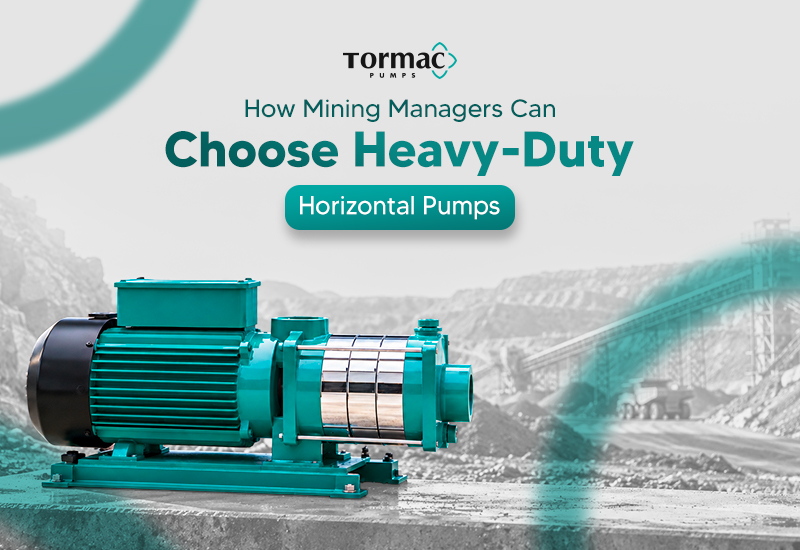
Water on a mine site is rarely just water, it’s carrying grit, ore fines, and whatever else the ground gives up. That alone changes how a pump needs to be built and sized, compared to a clean-water process application. Add in continuous operation, remote locations, and the sheer cost of an unplanned stop, and it’s easy to see why picking a mining horizontal pump isn’t something to leave to whichever unit happens to be in stock.
CHECK OUR PRODUCTS – Dewatering Pumps
Size for the Site, Not the Spec Sheet Average
Water levels fluctuate with rainy seasons, blasting schedules, and underground activity and underground workings and open-pit sumps do not generally provide steady and predictable water flow. When the pump is required to meet a sudden inflow spike, it performs poorly when the size is just adequate for “average” flows.
- Peak inflow, not average, should set the flow requirement
- Total head must account for both vertical lift and long discharge pipe runs
- Solids content changes impeller and seal choice, not just casing material
Tormac’s TDW Series, for example, covers up to 70 HP power, flows up to 690 m³/hr, heads up to 50 meters, and a 200mm outlet a range wide enough to match most surface dewatering demands without overworking a smaller unit.
Material Matters More Here Than Almost Anywhere Else
A pump that would run for years in a clean water application can wear out in months if it’s fighting abrasive slurry with the wrong internals. This is where mining pump selection genuinely differs from general industrial use.
Cast iron handles standard mine water reasonably well, bronze components resist corrosion in slightly aggressive conditions, and stainless steel or alloy steel becomes necessary once the water carries fine abrasive solids or chemically active runoff. Getting the material spec wrong doesn’t fail quietly; it shows up as impeller wear and mechanical seal leaks within a matter of weeks.
Seal Type and Operating Temperature Still Count
Mechanical shaft seals are the standard for continuous mine dewatering duty, they hold up better under constant running than packing-based alternatives, and they’re what keeps a heavy-duty pump leak-free over long shifts. Liquid temperature also matters more than people expect; a pump rated for general use might not handle warmer process water or runoff from certain ore processing steps without added strain on the seal.
Mining Horizontal Pump Checklist
| Factor | What to Confirm | Why It Matters |
| Peak Flow & Head | Based on worst-case inflow, not average | Prevents underperformance during surges |
| Solids Content | Grit, fines, abrasive load in the water | Determines impeller and seal design |
| Material | CI, bronze, SS, or alloy steel | Directly affects service life |
| Seal Type | Mechanical shaft seal | Handles continuous heavy-duty operation |
| Speed Options | Multiple rpm settings available | Matches varying site power and flow needs |
How Tormac Pumps Supports Mining Applications
Designed for the most demanding water-removal applications at mines, construction sites, and municipal locations, Tormac builds pumps with mechanical shaft seals in cast iron, bronze, stainless steel, and alloy steel and various speed options for 1450, 1800, and 2200 rpm to fit different power setups at the site.
For higher-pressure transfer needs beyond straightforward dewatering, Tormac’s Horizontal Split Case and Horizontal Multistage ranges add further flexibility for surface pumping stations feeding processing plants or tailings systems.
Final Thought
The key to selecting a reliable mining horizontal pump is sizing it for the worst day, not the average, and providing enough flow and head to withstand the peaks of inflow, materials that can withstand the abrasion, and a seal that can take the abuse. If this is done well, the pump will not be one of the concerns on site.
Need help sizing a dewatering pump for your mine site? Reach out to the Tormac Pumps technical team for a spec review.
FAQs
1. What flow rate should I plan for on a mine dewatering pump?
Plan around peak inflow conditions, rainfall events and blasting can spike water levels well above average, and undersizing for that is the most common mistake.
2. Why does material choice matter so much for mining pumps?
Abrasive solids and corrosive runoff wear pump internals far faster than clean water applications. The wrong material can mean a pump replacement within months instead of years.
3. Are mechanical seals necessary for continuous mine dewatering?
Yes, they hold up significantly better than packing-based seals under constant heavy-duty operation, which is standard for most mine dewatering setups.