- Fire protection pumps should be sized to meet the maximum demand, not the average daily use.
- A fire-fighting horizontal pump has to hold pressure at churn without overheating or leaking.
- Split case and multistage designs suit different building heights and flow requirements.
- A jockey pump is what keeps the main fire pump from short-cycling on small leaks.
Why Fire Pump Selection Is Different From Everyday Pumping
Most pumping decisions are about matching flow and head to a process. Fire protection flips that logic you’re sizing for the one scenario you hope never happens. A pump that sits idle for months has to start instantly, hold rated pressure across the whole flow range, and keep running reliably during exactly the kind of emergency where nothing else is going right either.
That’s what makes selecting a firefighting horizontal pump a different exercise from a regular process pump spec. Get the flow demand or churn pressure wrong, and the gap only shows up during an actual fire, which is the worst possible time to find out.
CHECK OUR PRODUCTS – Horizontal Split Case Pumps
Start With Demand, Not the Pump Model
Before shortlisting any pump, the actual fire protection demand needs to be worked out first – sprinkler system flow requirements, hose stream allowances, and the building’s hydraulic calculations. Fire pumps are typically rated to deliver 100% of rated flow at rated pressure, hold at least 65% of rated pressure at 150% flow, and hit churn pressure (zero flow) without exceeding a set percentage over rated pressure.
- Rated flow and pressure come from the sprinkler/hydrant system design, not a rough estimate
- Churn condition performance matters even though the pump rarely runs there in practice
- Local fire codes (such as NFPA 20 where applicable) set the performance envelope always verify against the governing code for your project
Split Case vs Multistage
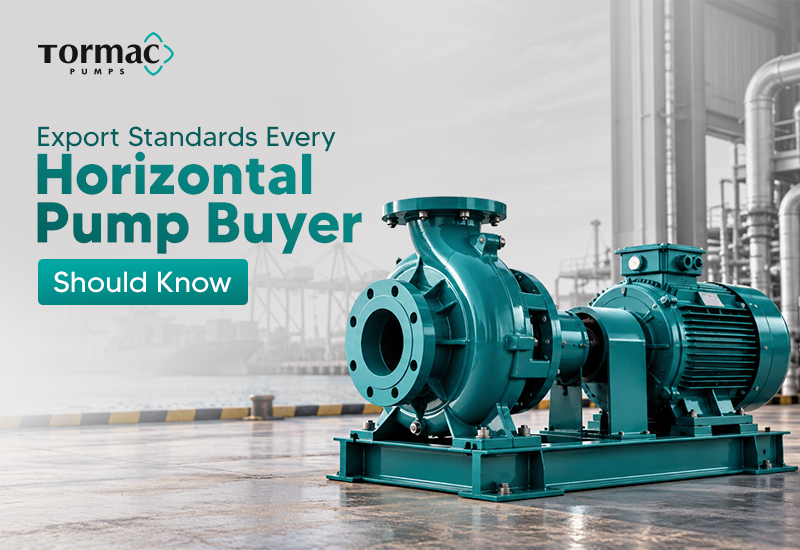
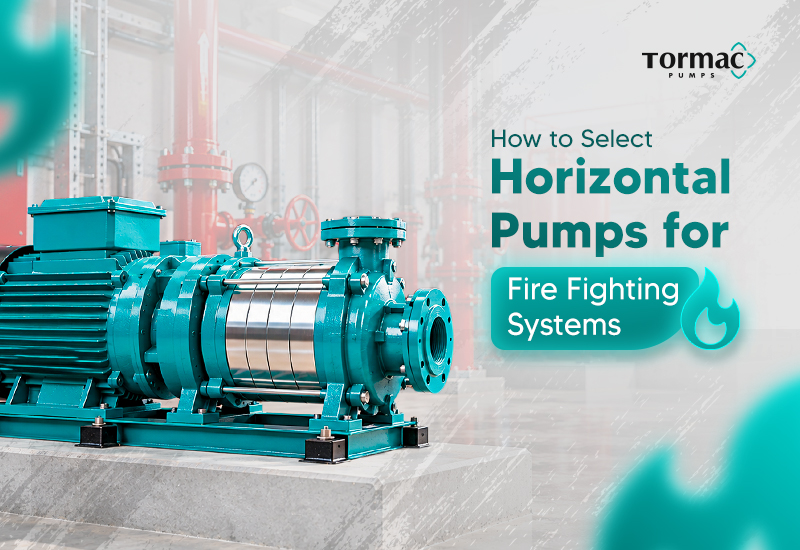
For low- to mid-rise buildings with moderate pressure needs, horizontal split case pumps are the common choice, the casing splits horizontally for fast servicing, which matters a lot for a pump that has to be maintenance-ready year-round. For taller buildings or systems needing higher pressure with a smaller footprint, horizontal multistage designs step in, stacking impellers to hit higher head without needing a physically larger casing.
Neither is universally “better”, it comes down to what head and flow the hydraulic calculation actually demands.
Don’t Forget the Jockey Pump
A minor leak shouldn’t be enough to send the main fire pump on duty, and a jockey pump should be used to top up small drops in pressure and help keep the main pump off duty until there is a real demand. If it is not designed, the main pump is forced to cycle much more often than necessary, thus reducing its service life rapidly.
Material and Standby Readiness
Fire pumps are not used for long periods, and therefore the need for corrosion resistance and seal integrity is more important than in a pump that is used on a daily basis. Standard water supply can be used with cast iron casings that have a good coating, and the use of bronze or stainless-steel internals can prevent the pump from seizing after many months of no use.
Routine test runs (weekly, in most code requirements) matter just as much as the material spec, a pump that’s never exercised is the one that fails to start when it’s actually needed.
Fire Fighting Horizontal Pump Selection Checklist
| Factor | What to Confirm | Why It Matters |
| Rated Flow & Pressure | Matches hydraulic calculation | Meets sprinkler/hydrant demand |
| Churn Performance | Within code-specified limits | Confirms safe operation at zero flow |
| Pump Type | Split case vs multistage | Matches building height and footprint |
| Jockey Pump | Sized to hold system pressure | Prevents main pump short-cycling |
| Standby Readiness | Material, coating, test schedule | Ensures pump starts reliably when needed |
How Tormac Pumps Supports Fire Protection Projects
Tormac’s Horizontal Split Case and Horizontal Multistage ranges are built with documented head, flow, and power curves, which makes it straightforward for consulting engineers and contractors to check a unit against a project’s hydraulic calculations.
Every configuration can be paired with matching control panels for jockey pump integration and automatic start sequencing to confirm the specific fire protection code and listing requirements for your project with our technical team before finalizing a spec.
Final Thought
Choosing the right firefighting horizontal pump comes down to working backward from actual demand rated flow, churn performance, the right split case or multistage layout, a properly sized jockey pump, and a standby-ready build. None of this is complicated, but skipping any one step is exactly how a fire protection system looks fine on paper and underperforms when it matters.
Working on a fire protection pump spec? Get in touch with the Tormac Pumps technical team for a project-specific recommendation.
FAQs
1. What’s the difference between split case and multistage fire pumps?
Split case suits moderate pressure needs with easy horizontal servicing, while multistage handles higher pressure demands in a more compact footprint the choice depends on your building’s hydraulic requirement.
2. Why does a fire pump system require a jockey pump?
It keeps the system pressure from dropping and allows the main fire pump to operate with minimal start and stop cycles and extend its life.
3. How often should a fire pump be tested if it’s rarely used?
Most fire codes require weekly test runs, regular testing is what actually catches a starting or performance issue before an emergency does.