- A fixed maintenance schedule matters more than reactive repairs for cast iron pumps.
- Vibration, strange sounds, and increased motor temperature are warning signs, and no quirks.
- Most managers don’t know how pump life can be reduced by voltage fluctuation and dry running.
- Failure is not the only time when parts such as bushings and seals require replacement or checking.
Why Pump Life Matters on the Plant Floor
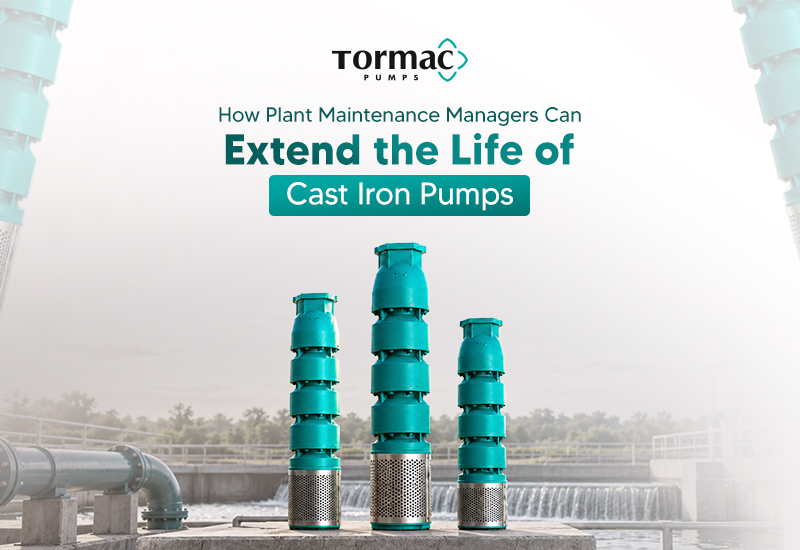
Nobody who has ever maintained a pump knows the true cost of a pump going down during a shift, it is the time that everyone must spend waiting. Cast iron pumps are built tough, handling high-pressure and non-corrosive groundwater applications reliably for years. But “built tough” doesn’t mean “maintenance-free,” and that gap is where most avoidable failures come from.
Getting more out of the life of cast iron pumps on your floor usually isn’t about buying premium equipment, it’s about a handful of maintenance habits that most teams already know but don’t consistently follow. Here’s what actually moves the needle.
CHECK OUR PRODUCT – CAST IRON PUMPS
Build a Routine, Not a Reaction
Plants that treat pump maintenance as a fixed calendar item not something that happens after a breakdown consistently get longer service life out of their cast iron pumps. A basic routine doesn’t need to be complicated:
- Daily visual checks for leaks, unusual noise, or vibration
- Weekly checks on discharge pressure and flow readings against baseline
- Monthly inspection of couplings, cable connections, and control panel settings
- Annual teardown inspection of impellers, bushings, and casing for wear
Skipping the “boring” weekly and monthly checks is usually where things start to slip by the time a problem shows up as a full breakdown, it’s often been building for months.
Watch Vibration and Noise Closely
A cast iron pump running slightly louder than usual, or with a faint vibration that wasn’t there last month, is telling you something. It’s rarely nothing. Misalignment, an unbalanced impeller, worn bearings, or loose mounting can all show up this way long before an actual failure.
Getting into the habit of listening and feeling for changes during routine rounds, not just running scheduled diagnostics, catches a surprising number of issues early, while the fix is still cheap.
Protect Against Voltage Fluctuation and Dry Running
Two of the fastest ways to cut short the life of cast iron pumps have nothing to do with the pump body itself, they’re electrical and water-level issues. Unstable voltage overheats the motor windings over time, and running dry even briefly stresses the whole assembly.
A properly rated control panel with dry-run protection and voltage stabilization handles both of these automatically, and it’s one of the cheaper upgrades a plant can make relative to the downtime it prevents.
Don’t Ignore the Small Wear Parts
Bushings, seals, and gaskets are usually the first parts to wear out long before the cast iron casing or impeller shows any real damage, but they usually don’t get any attention until they fail. In applications with gritty or abrasive water, bushing wear is very rapid and causes shaft movement resulting in vibration and larger failures.
- Check bushing condition during scheduled teardowns, not just when a pump underperforms
- Keep spare seals and bushings in stock rather than ordering after a failure
- Log wear patterns over time to predict replacement intervals instead of guessing
Match the Pump to the Right Application
A pump running outside its designed operating range wears out faster no matter how well it’s maintained. Tormac’s TC Series cast iron borewell pumps, for example, cover power ratings from 5.5 kW to 93 kW, flow rates from 11.5 to 187 m³/hr, and head ranges from 2 to 375 meters a wide enough spread that plants often have room to pick a closer match instead of overworking an undersized unit.
A Simple Maintenance Schedule to Follow
| Frequency | Check | Why It Matters |
| Daily | Visual leak, noise, vibration check | Catches obvious issues before they escalate |
| Weekly | Flow and pressure vs baseline | Flags gradual performance drop early |
| Monthly | Cable, coupling, panel settings | Prevents electrical and alignment failures |
| Yearly | Full teardown – impeller, bushing, casing | Confirms internal wear before it fails |
How Tormac Pumps Supports Plant Maintenance Teams
The same factors that influence the life of a pump in continuous industrial operation are used to build Tormac’s TC Series cast iron pumps: consistent casting quality, balanced impellers, and wear-resistant bushings. Each series is supported by proven technical features, and spare parts and maintenance teams are not left wondering when it is time to replace a bushing or seal.
Final Thought
Extending the life of cast iron pumps on any plant floor comes down to consistency more than anything fancy a routine that’s actually followed, early attention to vibration and noise, protection from voltage issues and dry running, and keeping wear parts on hand instead of scrambling after a failure. Get those basics right, and the pumps tend to outlast their expected service life without much drama.
Looking to review your plant’s pump maintenance setup or upgrade to a more suitable TC Series model? Get in touch with the Tormac Pumps technical team.
FAQs
1. How often should cast iron pumps be inspected in an industrial plant?
Daily visual checks plus a full teardown inspection once a year is a solid baseline , adjust based on duty hours and water quality.
2. What’s the biggest cause of early cast iron pump failure?
Voltage fluctuation and dry running cause more early failures than actual material wear, even though they’re the easiest to prevent with a good control panel.
3. Can worn bushings really affect the whole pump?
Yes, once a bushing wears down, the shaft starts to move off-centre, which leads to vibration and speeds up damage to other components.