
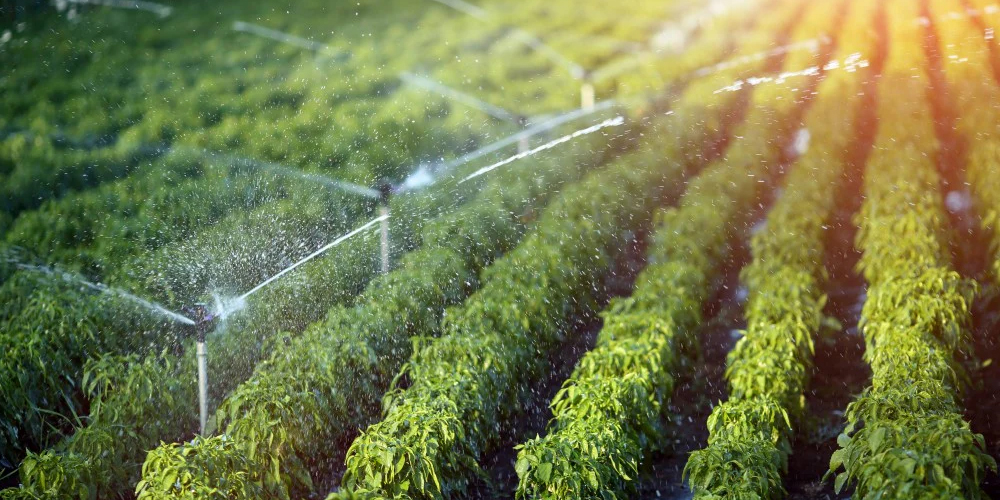
In the modern agricultural world, effective irrigation is no longer a luxury -it’s essential. Because of dwindling water supplies and changing weather conditions, pumps are essential for farmers and growers in order to irrigate their crops accurately and evenly. A properly selected water pump is the centerpiece of every successful irrigation installation from open well submersible pumps for shallow water supplies to high- performance submersible pumps for deep wells. The right type pump will ensure that there is a uniform flow, a uniform pressure and a long life.
Understanding the Types of Pumps for Irrigation
Before choosing the best pump for irrigation, it is vital to understand the various types of pumps along with their unique advantages.
- Open Well Submersible Pump
Open well submersible pumps are designed to run fully submerged in open wells, tanks or sumps. The motor and pump assembly is located in the water, by this means a better cooling effect is assured and there is very little suction loss. These pumps are suitable for irrigation plants where the water table is comparatively shallow, and gives excellent efficiency and regularity of discharge.
The Tormac open well models are labour-saving devices that have earned a trustworthy name in irrigation appliances and are recognised for their strength, energy economy and resistance to corrosion so suitable for small to medium-scale farms.
- Submersible Water Pump
The deepest water sources including borewells and deep aquifers need submersible pumps for efficient operation. The submerged installation of this system solves the suction issue which surface pumps commonly encounter. Submersible water systems provide pressurized water delivery which maintains an uninterrupted water supply at deep water levels.
The range of submersible pumps includes many models that operate smoothly while producing minimal noise and maintaining durability which makes them suitable for both drip and sprinkler systems needing consistent flow and pressure.
- Centrifugal Monoblock Pumps
Centrifugal pumps include surface-mounted units which combine the motor and pump into one casing. These systems work best with sources that have shallow water levels and tanks as well as river-based irrigation systems.
The system design allows for straightforward installation and maintenance operations while providing efficient water flow at moderate pressure levels which suits sprinkler systems that need stable water pressure. The selection of pumps depends on the specific requirements of water sources and irrigation system designs and operational performance standards.
Matching the Pump to Your Irrigation Method
Irrigation systems require different amounts of water flow to operate correctly. A pump selection process identifies the right pump which provides required flow rates and pressure levels.
Drip Irrigation Systems
Drip systems need a steady supply of water at moderate pressure levels to deliver water exactly to plant roots. A submersible water pump functions optimally for these applications because it provides an unchanging water flow that stays steady without interruptions. These also benefit from low discharge rates but constant pressure typically 1–3 kg/cm² and a submersible design helps maintain that balance efficiently.
Sprinkler Irrigation Systems
Since sprinkler systems use higher pressure to direct the water through the spray heads and even distribution is required centrifugal monoblock pumps are the best choice especially if the water source is within a short distance of surface level. However, where the water source is deeper, a submersible pump from a well known manufacturer can supply the necessary head and flow without performance loss. Noting the hydraulic requirements of your irrigation system – water flow (LPM) and head (m) – makes it really easy to determine the type of pump and capacity required.
Key Factors to Consider When Choosing Your Pump
- Water Source and Depth
Your water source plays the most critical role. The water extraction process becomes simple when your well depth stays below 25 feet because you can use open well pumps together with centrifugal pumps to draw water. For water sources that extend beyond 25 feet you should select submersible pumps for efficient vertical water extraction.
- Required Flow Rate and Pressure
Each irrigation method requires specific pressure and discharge. The operation of sprinklers requires water pressure levels that reach 4 to 5 kg/cm² but drip systems function effectively with lower pressure systems that stay consistent. Select a pump that meets both flow rate and head without overloading the motor.
- Power Source and Efficiency
The power availability of your site determines the system’s design. Most open well and submersible water pumps operate on single-phase or three-phase electricity, while some centrifugal monoblock pumps can also run on solar or generator power. The advanced pump models function as energy-saving devices which operate at peak performance levels to help farmers decrease their running costs.
- Water Quality and Environmental Conditions
A pump with abrasion-resistant components will work best for water systems that contain sand or silt. The Tormac models use stainless steel impellers and diffusers which maintain their performance in tough operating environments. The selection of pumps for hot and humid environments needs to consider systems which incorporate cooling mechanisms and corrosion protection features.
- Durability and Maintenance
Farming requires dependable operations to run smoothly. A ruggedly built pump that runs for years with minimal maintenance is invaluable. Submersible pumps require fewer maintenance procedures than surface types yet buyers need to verify that after-sales support exists together with spare parts availability.
Installation, Operation, and Maintenance Tips
Proper installation directly impacts your pump’s performance and lifespan:
- For open well submersible pumps: Ensure the unit is fully submerged and mounted vertically with correct cable protection.
- For submersible water pumps: Maintain adequate clearance from the bottom of the well and check voltage stability.
- For centrifugal pumps: Avoid long suction lines and ensure proper priming before every start.
Routine maintenance is essential:
- Inspect and clean strainers or filters regularly.
- Check for any voltage fluctuations or bearing wear.
- Monitor flow and pressure output for any drops as an early detection prevents costly repair or damage.
Open well pumps that receive proper maintenance will function effectively for more than ten years while maintaining steady performance and cost-effective power use.
Embracing Technology and Smart Irrigation
Modern farming integrates the main components like sensors, automation, and variable frequency drives (VFDs) with conventional pumping systems. VFDs operate pump systems by adjusting speed according to demand which leads to energy savings and better performance of the system. The majority of irrigation pumps function with VFD technology which enables them to connect easily to smart irrigation systems.
Solar-powered versions of centrifugal monoblock pumps and submersible units have become increasingly popular in areas with unstable electrical power supply. The system operates two primary functions which reduce operational expenses and establish sustainable water management practices.
Final Thought
To conclude, industries can rely on a wide range of reliable, high-performance pumps that are designed for both drip and sprinkler applications. The selection of Tormac pumps serves as an investment that delivers both operational efficiency and water conservation which drives business performance.